
Used Electric Cars Frederick MD: How to Choose One
Renn Kirby Frederick Auto
Shop used electric cars Frederick MD with confidence. Learn how to assess battery health, real-world range, and local charging before choosing your next EV.
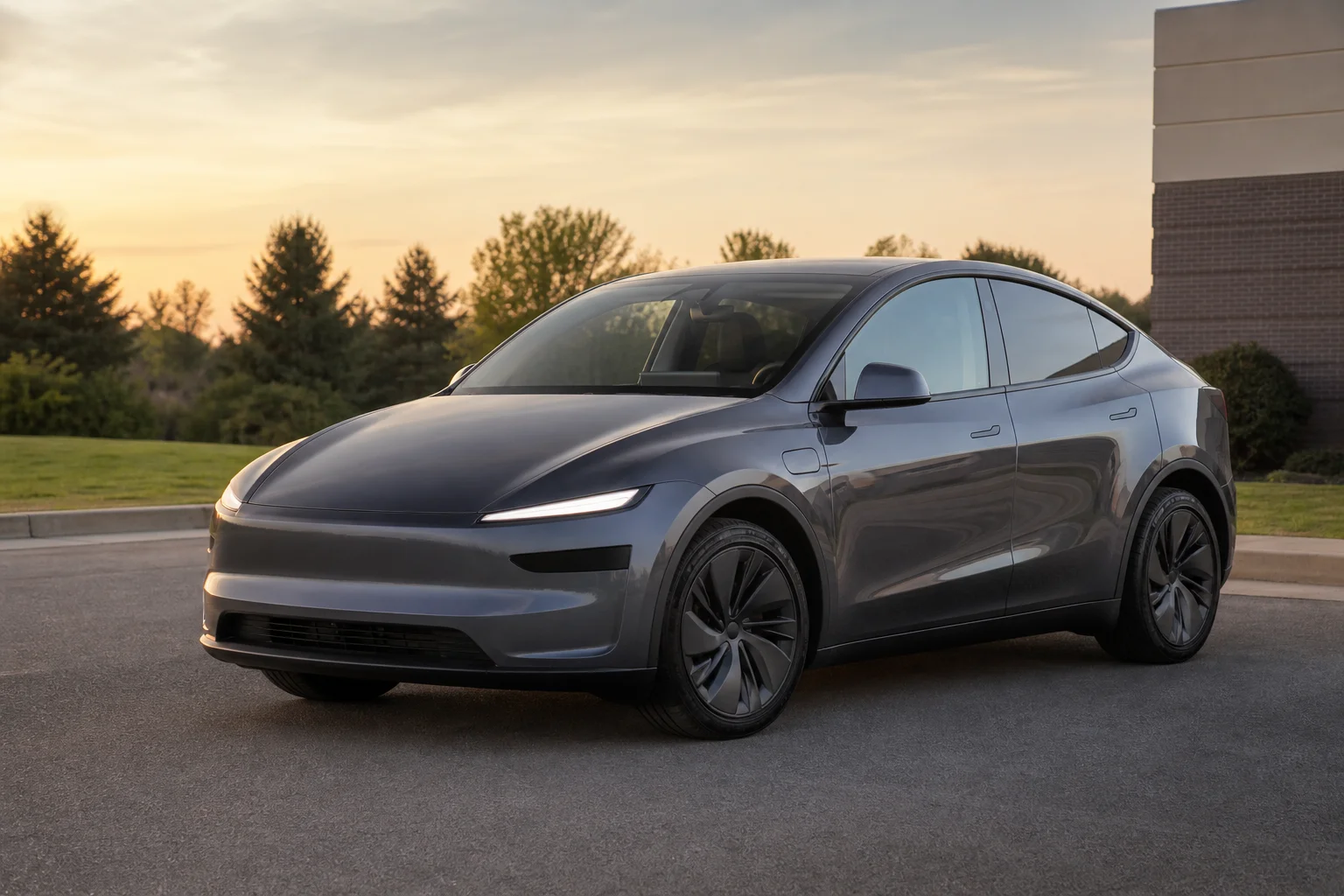
Shopping for used electric cars in Frederick, MD, can raise practical questions: Will the battery still meet your daily needs? Can you charge at home or near work? And how much range will you have on a cold morning or a trip toward Hagerstown? This guide explains how to evaluate battery condition, estimate electric car range for Maryland driving, and check used EV charging options in Frederick, MD, before you buy.
Key takeaways
- Match range to your routine, not just the advertised number. Consider your longest regular drive, winter conditions, highway speeds, and a comfortable reserve.
- Ask for evidence of battery condition. Review available battery diagnostics, warranty status, charging behavior, and the vehicle’s service history; a dashboard estimate alone is not a complete inspection.
- Confirm charging compatibility before choosing a vehicle. Check the connector, charging speed, and whether your home electrical setup can support your plan.
- Compare the full ownership picture. Purchase price, insurance, tires, charging access, and remaining battery warranty all matter alongside fuel savings.
Start with your real driving routine
The right used EV is the one that fits the miles you actually drive and the places you can reliably charge. Begin with a typical weekday: your commute, school or errands, and any regular evening trips. Then consider less frequent but predictable drives, such as visiting family in Montgomery County or traveling between Frederick and Hagerstown.
Do not assume you need enough range for your longest imaginable trip every day. Instead, identify the longest drive you make regularly and decide how much reserve would help you feel comfortable. A driver with dependable overnight home charging may be well served by a different vehicle than someone who parks on the street and relies on public chargers.
Think about your parking situation, too. A garage or driveway can make home charging more convenient, but the outlet and electrical circuit still need to be suitable for the charging equipment. Renters, condo owners, and drivers without a dedicated parking space should map out dependable public charging before deciding that an EV fits.
- Write down your usual weekly mileage and longest recurring trip.
- Note whether most driving is local, highway, or a mix of both.
- Identify where the car will park overnight and what charging access is realistic.
- Decide what range reserve would feel comfortable when plans change.
Compare vehicles by battery size, charging capability, cabin and cargo needs, and the condition of the specific car—not by model name alone. You can explore used electric and hybrid vehicles in Frederick as part of that comparison.
How to assess used EV battery health
A used EV battery gradually loses some capacity over time, but age alone does not tell you how much usable range remains. Driving and charging patterns, climate exposure, vehicle design, and the car’s history can all influence battery condition. That is why a used EV battery health inspection should look beyond the number shown on the dashboard.
Ask whether the vehicle has a battery health report or diagnostic information from a qualified technician. Depending on the make and model, available data may include battery state of health, cell or pack alerts, and charging-system faults. Not every vehicle provides the same information through the same process, so ask what was checked and what the results mean for that particular EV.
Also review the vehicle’s history and warranty details. Confirm whether the battery warranty is still active, what conditions apply, and whether coverage transfers to a subsequent owner. Warranty terms vary by manufacturer, model year, and vehicle, so verify them using the vehicle’s documentation rather than relying on a general assumption.
A practical inspection conversation should cover:
- Diagnostic findings: Ask whether any battery, inverter, or charging-system warnings are present and whether stored faults were reviewed.
- Charging behavior: If possible, confirm that the vehicle accepts a charge and that the charging port and cable connection are in good condition.
- Service and ownership history: Look for documented repairs, recalls, and relevant maintenance records.
- Warranty status: Check the remaining coverage and any mileage or time limits.
- Visible condition: Have the car inspected for collision damage, underbody concerns, tire wear, and other issues that affect ownership costs.
One fully charged range estimate is not a definitive battery test. The displayed estimate can change with recent driving, temperature, climate-control use, terrain, and speed. Treat it as one useful clue, then weigh it alongside diagnostic information and an independent mechanical assessment when appropriate.
Estimate electric car range for Maryland driving
The range printed in an advertisement or shown when a car is fully charged is a reference point, not a promise for every trip. Electric car range for Maryland driving can vary with cold weather, highway speeds, elevation changes, cabin heating, tires, and how much battery capacity the particular used vehicle retains.
For example, a driver commuting from Urbana into Frederick may use less energy on a mild day than during a cold spell with the heater running. A faster highway trip toward Hagerstown can also consume energy more quickly than slower local driving. These are normal operating differences, not automatically signs that a battery is failing.
When comparing options, estimate your range needs conservatively. Use the vehicle’s published range as a starting point, then leave room for weather, detours, and battery aging. If your regular route pushes close to the car’s expected usable range, consider a longer-range model or make sure there is a dependable charging stop along the way.
During a test drive, pay attention to how the range estimate changes across different driving conditions, but avoid drawing conclusions from a short trip. Ask how the vehicle was driven before it was charged, whether the estimate reflects recent use, and whether the car has any available battery diagnostics. A consistent, well-explained history is more informative than a single optimistic display.
Also account for tires. EVs can be heavier than comparable gasoline vehicles and deliver power quickly, so tire condition and replacement needs deserve attention. Uneven wear can point to alignment or suspension issues, while the correct tire type and pressure help support predictable handling and efficiency.
Check charging options before you buy
Used EV charging options in Frederick, MD, generally fall into three categories: charging at home, charging at work or another regular destination, and public charging. The best fit depends on your schedule and the vehicle’s connector and charging capabilities. Confirm those details for the exact model year and trim; charging standards and equipment can differ between vehicles.
Home charging is convenient for many owners because the car can replenish while parked. A standard household outlet may work for limited driving, but it typically adds range more slowly than a dedicated Level 2 setup. Before budgeting for equipment, have a qualified electrician assess the home’s electrical capacity, installation needs, and any applicable building or property rules.
Public charging can support errands and longer trips, but it is worth checking locations you would genuinely use rather than assuming a charger will always be available. Review connector compatibility, charging speed, payment requirements, and nearby alternatives. A fast charger’s advertised maximum rate is not necessarily the rate your vehicle will achieve; the car’s capability, battery temperature, and charge level can affect actual speed.
Before signing, make sure you understand what charging equipment comes with the car. Ask whether the portable charging cable is included, what outlet it supports, and whether any adapter is required. Do not assume that a cable, wall unit, or adapter shown in a listing is part of the sale unless it is confirmed.
- Confirm the vehicle’s charging connector and compatible public networks.
- Check whether your home parking spot has practical access to power.
- Estimate installation costs if you want a dedicated home charger.
- Identify backup public charging locations for busy days or longer drives.
- Ask which charging cables and adapters are included with the vehicle.
Compare total cost, condition, and support
A lower purchase price does not automatically mean lower ownership costs. Compare the vehicle’s condition, remaining warranty, insurance quote, tire needs, and charging setup alongside the price. If you are comparing an EV with a hybrid, consider how often you can charge and whether your daily routes make electric driving especially useful.
Financing and trade-in value can also affect the budget. Review the total amount financed, payment terms, and any trade-in offer rather than focusing only on a monthly figure. Renn Kirby Frederick Auto offers financing information for vehicle shoppers, and you can check an estimated trade-in value for your current vehicle as part of your planning.
Before choosing, take a careful test drive and ask direct questions about the vehicle’s history, battery information, charging equipment, and any known repairs. If you are buying a vehicle from another seller, an independent pre-purchase inspection can help identify condition concerns before you commit. A useful inspection should consider the EV’s high-voltage and charging systems as well as ordinary items such as brakes, suspension, tires, and safety features.
Frequently asked questions
How can I tell if a used EV battery is in good condition?
Ask for available battery diagnostics, review the service and ownership history, and verify any remaining battery warranty. A dashboard range estimate is helpful context, but it does not replace a model-appropriate inspection or diagnostic report.
Is a used electric car practical for winter driving around Frederick?
Yes, if you choose a vehicle with enough range for your routine and plan for cold-weather range changes. Heating the cabin, cold temperatures, highway speeds, and short trips can increase energy use, so leave a reserve rather than planning to arrive with the battery nearly empty.
Can I charge a used EV at home with a regular outlet?
Many EVs can use a compatible household outlet with the correct charging cable, but charging is usually slower than with a dedicated Level 2 charger. Confirm the vehicle’s equipment and have an electrician assess whether the outlet and circuit are appropriate for your intended use.
Should I choose a used EV or a hybrid?
Choose based on charging access and driving patterns. A used EV can suit drivers with reliable charging and predictable daily mileage, while a hybrid may be more convenient if you cannot charge regularly or often make long trips without planned charging stops.
The best used EV for Frederick-area driving is not necessarily the one with the biggest advertised range or the newest technology. It is the vehicle whose verified condition, practical range, charging setup, and total cost fit your everyday life. Take time to check those details, compare the specific cars available, and choose with a clear picture of how you will use and charge the vehicle.