
Used EV Battery Health Check Frederick MD: A Buyer’s Guide
Renn Kirby Frederick Auto
Use this used EV battery health check Frederick MD guide to assess range, battery condition, charging, and warranty before you buy.
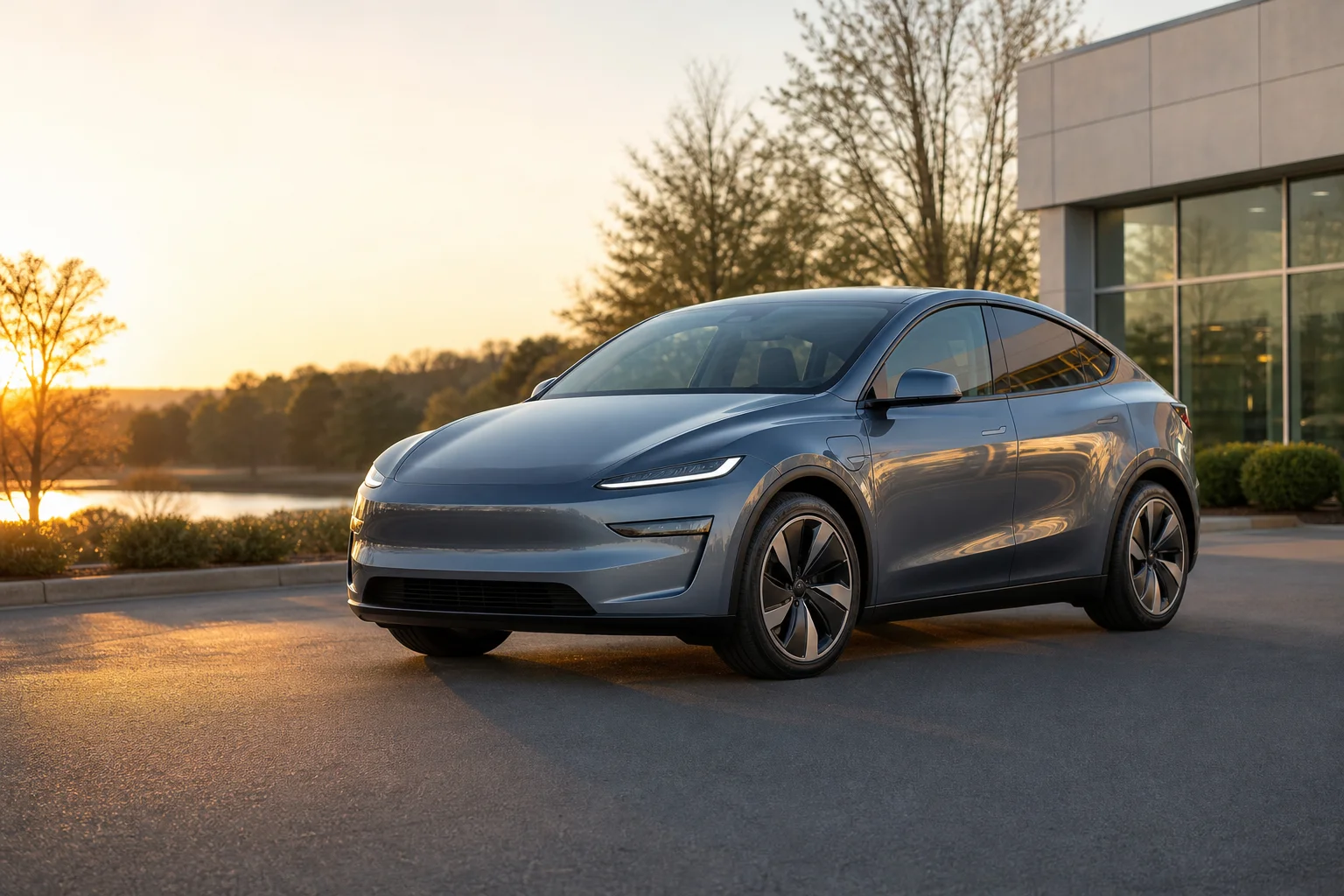
A used electric car can look clean, drive smoothly, and still have a battery that doesn’t fit your daily routine. A used EV battery health check in Frederick, MD helps you look beyond the odometer and advertised range to understand how the vehicle performs, what information is available, and what to verify before buying. This practical guide covers battery reports, a useful test drive, charging checks, and questions to ask—whether you’re commuting around Frederick, driving from Urbana or Middletown, or making regular trips toward Hagerstown or Montgomery County.
Key takeaways
- Compare the vehicle’s current estimated range with its original EPA range, but treat the dashboard number as an estimate—not a battery-health diagnosis.
- Ask for a battery health report or diagnostic scan when available; the method and detail vary by make, model, and model year.
- Test the car under realistic conditions and check charging equipment, warning messages, and battery-related warranty coverage.
- Battery range changes with temperature, speed, terrain, climate control, and driving style, so one short drive cannot establish long-term battery condition.
- For a higher-stakes purchase, arrange a qualified pre-purchase inspection that includes EV-specific checks.
What a used EV battery health check can—and can’t—tell you
An EV battery health check is an assessment of the high-voltage battery’s condition and performance. Depending on the vehicle and available tools, it may include diagnostic trouble codes, battery-management-system data, estimated state of health, cell or module information, charging behavior, and a review of warranty status. There is no single universal report that every used EV provides.
Battery state of charge and battery state of health are different. State of charge is how full the battery is right now; state of health is an estimate of its ability to store and deliver energy compared with when it was new. A car showing 90% charge is not necessarily a car with 90% battery health.
Likewise, the range displayed on the dashboard is a prediction based on recent energy use and conditions. Cold weather, high speeds, hills, cabin heating, and aggressive acceleration can reduce the estimate. A low displayed range on a chilly day in Frederick does not, by itself, prove the battery is damaged.
For a broader look at available models, compare the used electric and hybrid vehicles in Frederick. Battery chemistry, software, charging systems, and the information shown to drivers differ by vehicle, so compare like with like whenever possible.
How to check a used electric car battery before buying
Use a repeatable process rather than relying on one number or a seller’s impression. These checks help you identify questions worth resolving before you commit.
- Confirm the exact vehicle details. Record the model year, trim, battery configuration if known, odometer reading, and original EPA range for that version. Different trims of the same model can have different battery sizes and rated ranges.
- Request battery documentation. Ask whether a recent battery diagnostic or manufacturer-supported health report is available. Find out who performed it, when it was completed, and what the report actually measures. If no report exists, ask whether a qualified shop can inspect the vehicle before purchase.
- Review the vehicle’s history and warnings. Ask about battery, charging, and electrical-system repairs, as well as any recurring warning lights or charging interruptions. A clean dashboard is useful, but it does not replace a diagnostic scan.
- Inspect the charge port and included equipment. Look for visible damage, corrosion, loose fit, or signs of overheating. Confirm which charging cables or adapters come with the car and whether they are compatible with the charging setup you expect to use.
- Take a meaningful test drive. Start with the battery’s displayed charge and estimated range, then drive a mix of local roads and faster roads if practical. Note the distance traveled, energy use, outside temperature, and climate-control settings. The goal is to spot unusual behavior, not to calculate a definitive battery-capacity figure from a short trip.
- Arrange an EV-specific inspection when appropriate. A general mechanical check may not include high-voltage battery diagnostics. Ask the inspector to confirm what EV systems and battery data they can evaluate, and whether any limitations apply to that make or model.
Renn Kirby Frederick Auto offers a pre-purchase inspection option for shoppers who want an additional assessment. Confirm the scope of any inspection in advance; the available tests and access to battery data can depend on the vehicle.
How to interpret used EV battery range and degradation
Battery degradation is the gradual loss of usable capacity over time. It is normal for an EV’s range to change as the battery ages, but the amount varies with battery design, climate exposure, charging patterns, mileage, and how the vehicle has been used. Odometer mileage alone cannot tell you the battery’s condition.
Compare the car’s current range with the original EPA range for the same configuration, but keep the comparison in context. The dashboard estimate can move up or down after a change in driving habits or weather. For example, a vehicle that has recently been driven at highway speeds with heat running may display less estimated range than it would after slower, milder-weather driving—even if its underlying battery health has not suddenly changed.
For a more useful comparison, consider these questions:
- Does the expected range cover your routine? Include your regular commute, errands, seasonal conditions, and a reasonable reserve. A model with less range may still be a sensible choice if your daily driving and charging access fit it.
- Does the estimate behave plausibly during a drive? A short test drive cannot prove capacity, but unexpected drops, charging interruptions, or warning messages deserve follow-up.
- Is the comparison fair? Compare the same model year, battery configuration, and test conditions where possible. EPA range and real-world range are not interchangeable.
- Can the seller support the condition claim? A written diagnostic report is more useful than a verbal assurance, though you should still understand what the report does and does not cover.
Be cautious of both extremes: assuming any range loss means a failing battery, or treating a high dashboard estimate as proof that the battery is like new. A qualified diagnostic assessment and a realistic driving plan are more informative than either assumption.
Charging, warranty, and local ownership checks
Battery condition is only one part of EV ownership. Before buying, make sure the vehicle’s charging setup and remaining coverage fit your plans. Ask whether the car supports the charging connector and charging speeds you expect to use, and verify the correct equipment for home or public charging rather than assuming every cable or adapter is included.
Check the manufacturer’s battery warranty for the specific vehicle. Coverage terms, time limits, mileage limits, and conditions vary by make, model, and model year. Ask for the original in-service date, confirm whether coverage remains, and review the official warranty documents. Do not assume that a used vehicle has the same remaining coverage as a newer one.
Think through your local driving pattern, too. A shopper traveling between Frederick and Urbana may have different range needs from someone regularly driving to Hagerstown or Montgomery County. Consider where you can charge, how often you make longer trips, and whether you have a backup charging option. If home charging is not available, map out dependable public charging before deciding that a particular range will work.
When comparing vehicles, look at the full cost and practical fit—not just the purchase price. Renn Kirby Frederick Auto’s electric and hybrid inventory can help you compare available powertrains. If you’re weighing monthly costs, you can also review financing options alongside insurance, charging, and expected maintenance.
Questions to ask before you buy
Clear answers help you separate a normal used-EV trade-off from an unresolved concern. Keep the conversation specific and ask for documentation where possible.
- Has the high-voltage battery been diagnosed, repaired, or replaced?
- Is a recent battery health report available, and what measurements does it include?
- Have there been charging faults, battery warnings, or electrical-system repairs?
- What charging cables, adapters, or accessories are included in the sale?
- What battery warranty remains, and how can I verify the dates and terms?
- Can an EV-qualified technician inspect the battery and charging system before purchase?
If a seller cannot answer every technical question immediately, that is not automatically a reason to walk away. What matters is whether the uncertainty can be checked and whether the vehicle’s documented condition, price, and expected range make sense for your needs.
Frequently asked questions
How can I check the battery health of a used electric car?
Start by requesting a battery diagnostic or health report, then review the vehicle’s history, warnings, charging behavior, and warranty. A test drive can reveal how the car behaves, but a dashboard range estimate alone cannot confirm battery health.
Is a lower-than-original range estimate a sign of a bad EV battery?
Not necessarily. Temperature, speed, terrain, recent driving, and climate-control use can all affect the displayed estimate. Compare the vehicle under similar conditions and seek a diagnostic assessment if the range seems unusually low or the car shows battery or charging warnings.
Can an ordinary pre-purchase inspection check an EV battery?
Not always. Inspection scope varies, and some general inspections may not include high-voltage battery data or EV-specific diagnostics. Ask the shop what it can test on that make and model before booking.
Should I buy a used EV if its battery has degraded?
It can still be a reasonable purchase if the verified range meets your routine, the price reflects the vehicle’s condition, and there are no unresolved battery or charging concerns. Make the decision using documented condition and your real driving needs—not a single percentage or range estimate.
A careful used EV battery health check in Frederick, MD combines documentation, realistic driving expectations, charging and warranty review, and an inspection suited to the vehicle. No single reading tells the whole story, but the right questions can help you judge whether the car’s range and condition fit your life. Take time to compare options and verify anything that could change your ownership costs before you decide.