
How to Compare Used EVs for Sale in Frederick MD
Renn Kirby Frederick Auto
Compare used EVs for sale Frederick MD by range, charging speed, home setup, and Maryland electricity costs—so you can choose one that fits your routine.
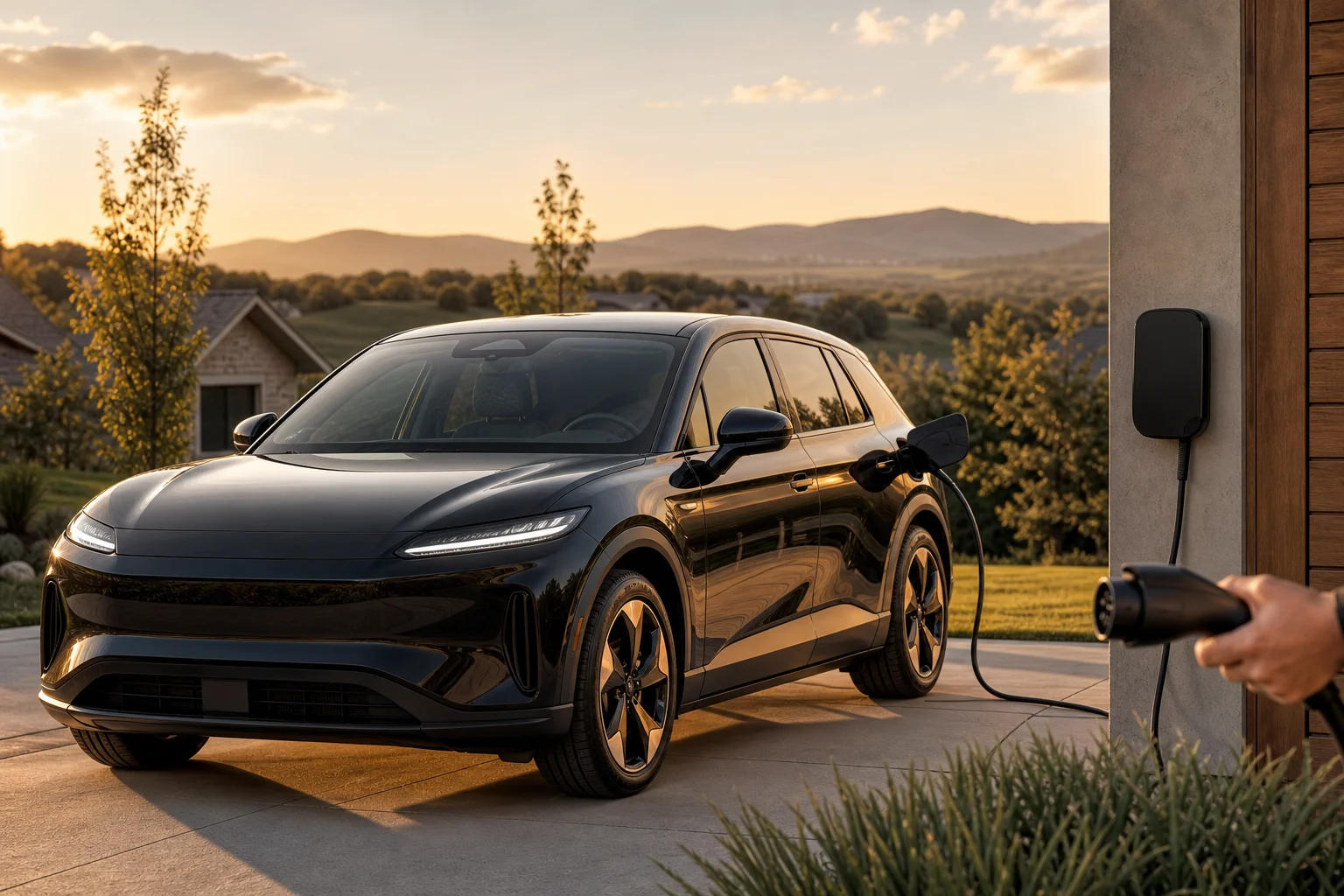
Shopping for an electric car can feel straightforward until you compare range estimates, charging plugs, and home-charging claims that do not quite line up. If you are looking at used EVs for sale Frederick MD, this guide will help you evaluate the whole charging routine—not just the number on the window sticker—before choosing a vehicle around Frederick, Urbana, Middletown, Hagerstown, or Montgomery County.
The right comparison starts with your daily miles and where the car will charge most often. A lower-range EV may work well for a predictable commute with overnight home charging, while a longer-range model can make frequent trips or limited home-charging access easier. Either way, check the specific vehicle’s equipment and battery condition rather than relying on model-year assumptions.
Key takeaways
- Compare usable range with your real routine. Consider commute distance, winter weather, highway driving, and how much battery reserve you want.
- Confirm charging compatibility before buying. Check the car’s connector, onboard charging capability, and whether your home electrical setup can support your plan.
- Estimate charging costs using your actual utility rate. Electricity prices vary by plan and time; public charging prices can differ from home charging.
- Test the charging process during your shopping research. Ask how the vehicle charges, review its equipment, and make sure the setup fits your parking situation.
- Compare the complete ownership picture. Range, charging access, battery condition, purchase price, and service history all matter.
Start with your driving routine, not the range headline
An EV’s advertised range is a useful starting point, not a promise of the distance you will cover in every condition. Actual range can change with speed, temperature, hills, tire condition, cabin heating or cooling, and driving style. On a cold morning or a fast highway trip, you may use more energy than you would on a mild-weather local drive.
Write down the trips you make in a typical week: the commute, school or grocery runs, and regular drives to see family or reach appointments. Then consider the longest trip you make often—not only the occasional road trip. If you usually drive 35 miles a day and can charge overnight, your needs may be different from someone who regularly travels long distances between Frederick and destinations beyond the region.
For an EV charging range comparison, look at the exact model year and trim, and ask whether the displayed range is the manufacturer’s original estimate or a current vehicle reading. A used EV’s battery condition and recent driving history can affect what you see. When possible, review available battery-health information and take a test drive that includes the roads and speeds you use most.
- Mostly local driving: A shorter-range vehicle may be practical if you can charge reliably at home or work.
- Regular highway trips: Favor more range and check fast-charging capability and charger availability along your routes.
- Limited charging access: Build in extra range and identify dependable public charging locations before committing.
Browse the dealership’s electric and hybrid vehicles in Frederick to compare different powertrains and vehicle types. A hybrid may also suit a driver who wants electric assistance but cannot charge consistently.
Check home charging compatibility before you choose a car
Home charging can make EV ownership convenient, but “it can charge at home” does not mean every home setup will charge at the same speed. Start with where you park: a private garage or driveway may make installation simpler, while a shared lot, rental property, or street-parking arrangement can require permission or a different charging plan.
Many owners use a standard household outlet for slower charging, while a dedicated 240-volt circuit and compatible charging equipment can deliver power faster. The actual rate depends on the circuit, charger, vehicle, and other electrical limits. Have a qualified electrician assess the home before budgeting for an installation; do not assume a panel has capacity just because there is space for a breaker.
When checking used EV home charging compatibility, ask the seller or review the vehicle documentation for the charging connector, included cables or adapters, and maximum AC charging rate. The car’s onboard charger can limit how quickly it accepts power, even if the home equipment is capable of more. Confirm what equipment is included in the sale rather than assuming a portable cord or adapter comes with the vehicle.
- Identify your parking location and whether you can install or use charging equipment there.
- Check the vehicle’s connector and AC charging limits for the exact year and trim.
- Ask an electrician about circuit capacity, installation needs, and estimated costs.
- Plan a backup option, such as workplace or public charging, if home charging is unavailable.
If you are comparing an EV with a plug-in hybrid, remember that a plug-in hybrid can use electric power for some driving and gasoline for longer trips. That flexibility can be useful, but it still needs regular charging to deliver its electric-driving benefits. A conventional hybrid does not plug in, so it is a different comparison.
Compare charging speed and connector access
Charging speed is not a single number. Home AC charging is commonly used for overnight replenishment, while DC fast charging is designed to add energy more quickly on a trip. The vehicle’s maximum charging rate, battery temperature, state of charge, and the charger’s own output can all affect how long a session takes.
Two used EVs with similar range can have different road-trip convenience if one supports faster DC charging or has easier access to compatible stations. Check the connector type on the specific vehicle and whether an adapter is needed for the charging networks you expect to use. Connector standards and network access can change, so verify current compatibility rather than relying on a general statement about a brand.
Also consider where you actually drive. A public fast charger may be useful for a trip, but it is not a substitute for a dependable everyday charging plan if you have no home or workplace access. Look at the locations and operating details of chargers along your regular routes, and account for the possibility that a station may be busy or unavailable.
During a test drive, ask to see the charging port and vehicle charging information. If practical, confirm that the car recognizes a compatible charger. A brief demonstration will not prove every charging function is perfect, but it can help surface questions about cables, adapters, charging settings, or warning messages before purchase.
Estimate electric car charging costs in Maryland
Electric car charging costs Maryland drivers pay depend on where they charge, their electricity plan, how much energy the car uses, and any public-station fees. Home charging is often easier to budget because it appears on the household electric bill, but the relevant rate may vary by utility, time of use, and plan. Public charging prices can be set per unit of energy, by time, or through a network’s pricing structure.
For a practical estimate, use the vehicle’s energy consumption information and your own electricity rate. Multiply the energy needed for your typical driving by the rate you pay, then add any charging-network fees or equipment costs that apply. Treat the result as an estimate: cold weather, highway speeds, and charging losses can make real-world energy use differ from a dashboard or label figure.
Compare costs on the same basis across vehicles. A longer-range EV may have a larger battery, but you do not necessarily pay to refill the entire battery every day. Your weekly mileage and charging habits matter more than the battery’s full capacity if you usually top up overnight. For public charging, check current rates in the apps or at the station because prices and access terms may vary by location.
Include the cost of getting set up at home in your ownership comparison. An electrician’s assessment, wiring work, and charging equipment may add upfront expense, while a simpler outlet-based plan may take longer to replenish the battery. The best choice depends on your schedule, home, and vehicle—not on a one-size-fits-all claim about savings.
Inspect the used EV as a complete vehicle
Charging fit is only one part of a good used-EV decision. Review the vehicle’s history, maintenance records, tires, cabin and exterior condition, and any available battery-health information. Ask about charging equipment included with the car and whether the vehicle has had relevant software updates or repairs documented.
Pay attention to tires and climate-control features during your inspection and drive. Tire wear can affect efficiency and may point to alignment or maintenance needs; heating and cooling use can also influence range. A dashboard range estimate is useful context, but it can reflect recent driving and conditions rather than a definitive battery-health test.
Compare the vehicle’s price and equipment with similar models, then consider financing and trade-in value as part of your total budget. Renn Kirby Frederick Auto’s electric vehicle inventory is a place to see available options, while its financing information can help you understand payment planning. Availability changes, so verify the details of any vehicle you are considering.
Frequently asked questions
How much range should a used EV have for driving around Frederick?
Choose enough range for your usual driving plus a comfortable reserve, rather than matching your average daily miles exactly. Include highway trips, cold-weather driving, and days when you cannot charge. If you have dependable overnight charging, your needs may be different from a driver who relies on public stations.
Can I charge a used electric car from a regular household outlet?
Many EVs can charge from a standard household outlet with compatible equipment, but charging is generally slower than on a dedicated 240-volt circuit. Check the vehicle’s instructions and included charging equipment, and ask an electrician about your home’s electrical capacity. A regular outlet may work for light daily driving, but it may not replenish a larger battery quickly enough for every routine.
Are public fast chargers necessary if I buy a used EV?
No, public fast charging is not necessary for every EV owner, especially if home or workplace charging covers regular driving. It can be valuable for longer trips or an unexpected need to recharge. Before buying, confirm the car’s fast-charging capability and identify compatible stations on routes you use.
Does a used EV’s displayed range tell me the battery is healthy?
No, the displayed range alone is not a definitive battery-health assessment. It can change based on recent driving, temperature, speed, and climate-control use. Ask what battery information is available for the specific vehicle and review its history and condition as part of your evaluation.
The best used EV is the one whose real-world range, charging access, and ownership costs fit your life in and around Frederick—not simply the one with the biggest range figure. Compare the exact vehicle, verify home-charging compatibility, and plan for the trips you make most often. With those details in hand, you can explore used electric cars in Frederick with clearer expectations and a more confident shortlist.